
Protecting Fort Myers Residences from Mold Contamination
Fort Myers Mold Remediation Services
River District properties near downtown present different challenges reflecting urban density and mixed construction types. Row houses sharing party walls can spread moisture problems between units through shared structural members and common foundations. Converted industrial buildings now serving as loft residences often have exposed brick and minimal insulation, creating condensation issues that modern construction avoids through proper thermal breaks and moisture barriers. High ceilings in these spaces mean greater air volumes that HVAC systems must condition, sometimes leading to undersized equipment that cannot adequately dehumidify during summer months when outdoor dew points climb into the seventies.
Gateway and South Fort Myers subdivisions developed during the 1990s and 2000s feature more uniform construction reflecting modern building codes. However, rapid growth during boom periods sometimes meant builders prioritized speed over quality, cutting corners on critical details like flashing installation or drainage grading. We remediate homes in these areas where seemingly new construction developed mold problems within the first decade due to defects that should never have occurred. The suburban lot patterns here also create drainage challenges, with closely spaced homes on relatively flat terrain providing limited options for surface water disposal during heavy rain events.
Our Fort Myers residential remediation adapts to each property’s specific characteristics. Historic homes receive careful assessment of original materials, with strategies designed to preserve architectural integrity while achieving contamination elimination. We work with preservation specialists when necessary to ensure remediation approaches meet historic district requirements and maintain properties’ character defining features. Modern homes benefit from more aggressive approaches since materials can be readily replaced, allowing us to remove contaminated components without concern for irreplaceable historic fabric. This flexibility in methodology ensures each Fort Myers property receives remediation appropriate to its construction type, age, and architectural significance.
Professional Commercial Mold Services
COMMERCIAL MOLD REMEDIATION IN FORT MYERS
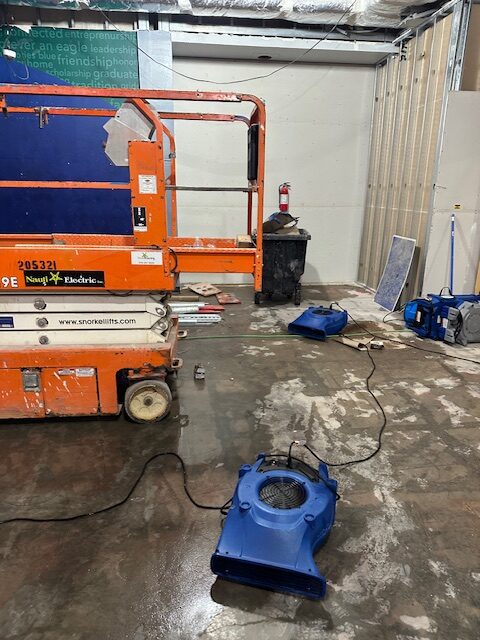
Fort Myers’s commercial sector concentrates heavily downtown along the Caloosahatchee River, where office towers, restaurants, retail spaces, and entertainment venues create a dense urban environment. This concentration means commercial mold problems often have higher visibility and greater impact than residential issues, as downtown businesses depend on foot traffic and public perception for success. A restaurant with visible mold or musty odors can lose customers permanently in today’s social media driven marketplace where negative reviews spread instantly. Office buildings with indoor air quality complaints risk tenant turnover and difficulty attracting new leases. Retail spaces cannot afford the appearance of neglect that mold creates, particularly in competitive downtown districts where image matters enormously.
The architectural diversity of Fort Myers commercial buildings requires varied remediation approaches. Historic structures along First Street maintained as commercial spaces feature original materials that demand preservation compatible techniques. Mid century modern office buildings from the 1960s and 70s often have hidden moisture problems in flat roof systems or outdated HVAC equipment that has degraded beyond effective operation. Contemporary construction like the commercial developments near Gulf Coast Town Center incorporates modern moisture management but can still experience problems from installation defects or design oversights. Each building type presents unique challenges requiring remediation strategies calibrated to specific construction methods and materials.
Mixed use development has become increasingly common in Fort Myers, with residential units above ground floor commercial spaces creating complex remediation scenarios. Moisture problems originating in commercial kitchens or retail spaces can migrate through party floors into residential units above, requiring coordination between commercial and residential remediation protocols. Shared building systems mean that addressing contamination in one occupancy type often requires working in other spaces to ensure complete moisture source elimination. We manage these multi-occupancy situations by coordinating with all stakeholders, maintaining communication across residential and commercial tenants, and developing remediation strategies that address entire building systems rather than just isolated spaces.
River proximity affects downtown Fort Myers commercial properties differently than residential structures due to building size and system complexity. Large HVAC systems serving multi story buildings intake enormous volumes of outside air that must be dehumidified before distribution, creating moisture loads that strain equipment during humid summer months. Cooling towers on building roofs can introduce moisture into mechanical spaces if not properly maintained and drained. Underground parking structures below river elevation sometimes experience groundwater intrusion that creates persistent dampness affecting first floor commercial spaces above. Our commercial remediation addresses these large scale moisture sources while minimizing business interruption through strategic scheduling and phased work approaches.
24/7 EMERGENCY SERVICE, CALL TODAY
Mold Remediation Throughout All Fort Myers Neighborhoods
FORT MYERS NEIGHBORHOODS & COMMUNITIES WE SERVE
McGregor Boulevard’s historic corridor requires remediation expertise that respects architectural heritage while solving modern moisture problems. Properties along this tree canopied boulevard range from modest bungalows to substantial estates, all sharing exposure to mature landscaping that provides beauty but can create moisture issues. Large oak trees close to foundations sometimes have roots that interfere with drainage systems or damage underground utilities. Thick vegetation reduces air circulation around structures, trapping humidity near building exteriors. Historic construction methods like plaster over wood lath absorb moisture more readily than modern drywall, requiring different drying approaches after water intrusion. We work throughout McGregor Boulevard understanding that remediation here involves preserving Fort Myers’s architectural heritage while implementing modern moisture management necessary for preventing recurrence.
The downtown River District and surrounding urban neighborhoods present dense development patterns where properties share walls, utilities, and sometimes moisture problems. Remediation in row houses or attached commercial buildings must account for the reality that moisture does not respect property lines, migrating through shared structural members between units. Older commercial buildings converted to residential lofts may have inadequate moisture management for residential occupancy, as original industrial construction never anticipated modern living patterns with daily showers, cooking, and laundry generating interior moisture loads. We frequently work in the River District addressing mold that developed because building systems designed for commercial use cannot handle residential moisture generation without upgrades.
East Fort Myers and Gateway neighborhoods feature predominantly newer construction that should theoretically have fewer moisture issues than historic areas. Reality proves more complex, as rapid development during boom periods sometimes meant inadequate oversight of construction quality. Homes built during the mid 2000s when Fort Myers experienced explosive growth may have defects that only became apparent years later when inadequate flashing finally failed or improperly installed moisture barriers demonstrated their insufficiency. We remediate properties throughout East Fort Myers and Gateway that are chronologically young but experiencing mold problems typically associated with much older construction, requiring both remediation of existing contamination and correction of construction defects that caused premature failure.
Certified Remediation Specialists Understanding River City Challenges
WHY CHOOSE MOLD EXPERTS OF SWFL FOR FORT MYERS MOLD REMEDIATION
Fort Myers’s architectural diversity demands remediation specialists capable of working effectively across construction types from century old historic buildings to contemporary commercial towers. Our team’s experience spans this entire range, with specific training in preservation compatible remediation for historic structures and advanced techniques for modern construction. This versatility ensures Fort Myers property owners receive appropriate remediation regardless of building age, construction method, or architectural style. We do not apply generic approaches equally to all properties but instead tailor strategies to each building’s specific characteristics and requirements.
Understanding Fort Myers’s microclimate variations provides another critical advantage. Properties near the Caloosahatchee experience different moisture pressures than those in inland subdivisions. Downtown urban heat island effects create condensation patterns that do not occur in suburban areas. Historic neighborhoods with mature tree canopies generate different moisture dynamics than newly developed areas with minimal landscaping. Our local knowledge of these microclimate variations informs remediation strategies that account for each property’s specific environmental exposure rather than treating all Fort Myers locations identically.
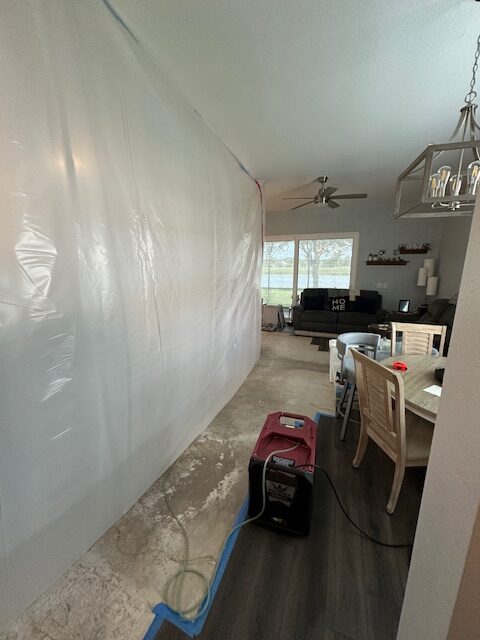
Equipment investment demonstrates our commitment to quality outcomes. Industrial HEPA filtration units process air volumes necessary for maintaining proper containment in larger Fort Myers commercial properties. Thermal imaging technology adapted for various construction types reveals moisture in both historic plaster walls and modern synthetic stucco systems. Moisture detection equipment calibrated for materials ranging from original wood framing to contemporary engineered lumber provides accurate readings regardless of substrate. This comprehensive equipment selection ensures effective remediation across Fort Myers’s diverse building stock without compromising quality based on property type or construction era.
FREQUENTLY ASKED QUESTIONS ABOUT FORT MYERS MOLD REMEDIATION
How does Fort Myers's river location affect mold remediation?
Caloosahatchee River proximity elevates ambient humidity throughout Fort Myers, particularly in downtown and waterfront neighborhoods. This higher baseline moisture means building envelopes face constant pressure that inland properties avoid, requiring more robust moisture management systems to prevent mold growth. River properties also experience temperature moderation effects where cooler nighttime air creates condensation on building surfaces that inland areas do not encounter. Remediation in these locations must address both existing contamination and implement moisture management upgrades that account for perpetual humidity elevation from river proximity. Properties farther inland face lower ambient moisture but still experience significant humidity during summer months when afternoon thunderstorms saturate air regardless of distance from the river.
Can historic Fort Myers homes be remediated without damaging original features?
Professional remediation in historic properties requires balancing contamination elimination with preservation of character defining features. Original plaster walls can often be saved through specialized drying techniques rather than demolition and replacement. Wood flooring affected by minor moisture can be dried and refinished rather than removed. Historic trim and millwork usually survives remediation when moisture sources are caught early before wood decay progresses. However, severely contaminated materials that cannot be adequately cleaned must be removed regardless of historic value, as health and safety take priority over preservation. We work with property owners and preservation specialists to minimize historic fabric loss while ensuring thorough remediation that protects occupant health.
What makes Fort Myers commercial remediation different from residential?
Commercial remediation involves larger scale systems, higher occupancy densities, stricter regulatory requirements, and greater emphasis on business continuity. Downtown Fort Myers office buildings feature HVAC systems serving entire floors rather than individual rooms, requiring system wide assessment and treatment. Commercial spaces must meet ADA accessibility standards during and after remediation. Health department oversight applies to restaurants and food service establishments. Business interruption costs often exceed actual remediation expenses, making speed and efficiency critical. Documentation requirements for commercial projects exceed residential standards due to regulatory compliance needs and potential liability exposure. These factors combine to make commercial remediation fundamentally more complex than residential work despite often involving similar underlying moisture problems and contamination.
How long does remediation take in a typical Fort Myers home?
Duration varies based on contamination extent and property characteristics. Small isolated problems might be resolved in two to three days from initial containment through clearance testing. Moderate contamination affecting multiple rooms typically requires four to seven days. Extensive problems involving structural repairs or historic material preservation can extend to several weeks. Fort Myers's humidity means drying phases often take longer than in drier climates, as moisture evaporates more slowly when outdoor air already carries high water vapor content. Historic homes may require additional time for careful removal of contaminated materials without damaging surrounding historic fabric. We provide detailed project timelines during initial assessment so homeowners understand what to expect before work begins.
Does Fort Myers require special permits for mold remediation?
Residential mold remediation typically does not require specific mold permits in Fort Myers, though any reconstruction work following contamination removal must meet standard building codes and may require building permits. Commercial remediation may trigger permit requirements depending on project scope and building occupancy type. Historic properties in designated districts require review by preservation boards before making exterior changes or alterations to significant interior features. We handle permit processes when necessary, ensuring all work complies with local regulations and receives proper approvals before beginning remediation activities.
What prevents mold from returning after remediation in Fort Myers?
Successful long term mold prevention requires controlling the moisture that allowed initial colonization. Roof maintenance prevents water intrusion from above. Proper grading directs surface water away from foundations. Adequate ventilation in attics and crawl spaces allows moisture to escape rather than accumulating. Appropriately sized HVAC systems remove humidity while cooling indoor spaces. Regular maintenance catches small problems before they escalate into major moisture intrusion. Fort Myers properties benefit from whole house dehumidification systems that supplement air conditioning by removing moisture even when cooling is not needed. We provide specific recommendations based on each property's identified vulnerabilities and moisture sources, helping homeowners implement changes that keep remediation results permanent.
Are there Fort Myers neighborhoods with higher mold risk?
All Fort Myers neighborhoods face significant mold risk due to subtropical climate, but certain areas present elevated challenges. Waterfront properties along the Caloosahatchee experience higher ambient humidity and potential flood exposure. Historic neighborhoods with older construction often lack modern moisture barriers. Dense urban areas with minimal spacing between buildings restrict air circulation that helps dry structures after rain. Neighborhoods with mature tree canopies trap humidity near ground level. Conversely, newer suburban developments with proper construction oversight and modern moisture management systems may experience lower risk if maintained adequately. Risk factors depend more on specific property characteristics and maintenance history than neighborhood location alone.
YOUR EMERGENCY IS OUR PRIORITY
CONTACT OUR OFFICE
Protect Your Fort Myers Property Investment
Fort Myers properties deserve remediation services that respect their unique characteristics while delivering thorough contamination elimination. Whether you own a historic McGregor Boulevard bungalow, downtown River District commercial space, or contemporary Gateway subdivision home, professional remediation makes the difference between temporary fixes and permanent solutions. Delaying remediation allows contamination to spread, increases property damage, and extends the time your building remains unsafe for normal occupancy.
Mold Experts of SWFL provides comprehensive remediation services throughout Fort Myers with expertise spanning all construction types and property ages. Our certified technicians understand both historic preservation requirements and modern commercial building systems, delivering appropriate remediation regardless of property characteristics. We maintain 24 hour emergency availability for water damage situations requiring immediate response to prevent mold colonization. Call (239) 688-3822 now to schedule assessment or emergency remediation services. Your Fort Myers property deserves specialists who understand the River City’s diverse architecture and deliver results that last.